



From Orientations to Actions for the Development of National Marine Science and Technology
22/09/2026 3
On 21/8/2026, at the Institute of Oceanography in Khanh Hoa Province, the Ministry of Science and Technology, in coordination with the Vietnam Academy of Science and Technology and the People’s Committee of Khanh Hoa Province, organized a workshop entitled “Science, Technology, Innovation and Digital Transformation in Implementing Resolution No. 20-NQ/TW on Building and Developing Vietnam into a Strong Maritime Nation.”
The workshop was attended by Comrade Vu Hai Quan, Member of the Central Committee of the Communist Party of Vietnam and Minister of Science and Technology; Comrade Nguyen Thanh Ha, Vice Chairman of the People’s Committee of Khanh Hoa Province; Comrade Tran Tuan Anh, Vice President of the Vietnam Academy of Science and Technology; and Lieutenant General Le Quang Dao, Deputy Chief of the General Staff of the Vietnam People’s Army.
The workshop also brought together representatives of central committees, ministries and sectors; the Vietnam Academy of Science and Technology; coastal provinces and cities; universities, higher education institutions and research institutes; technology corporations and enterprises; as well as numerous scientists and leading experts in oceanography, ocean technology and the marine environment.
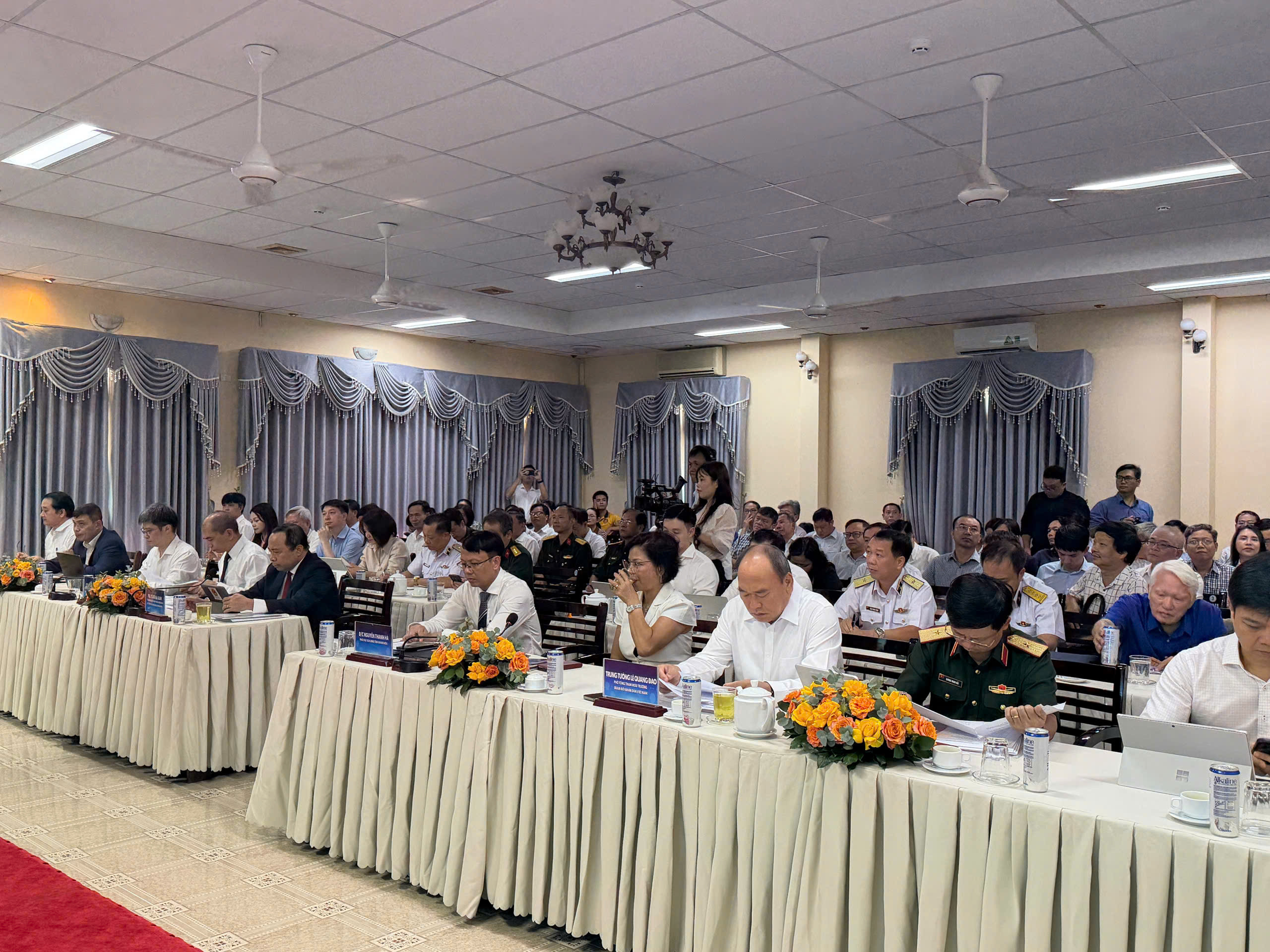
Overview of the Workshop
Mastering the Sea Through Knowledge, Data and Technology
In his opening and directive remarks at the Workshop, Minister of Science and Technology Vu Hai Quan emphasized that Resolution No. 20-NQ/TW dated 28/7/2026 of the 14th Central Committee of the Communist Party of Vietnam sets out new requirements of strategic significance for the science, technology, innovation and digital transformation sectors.
According to the Minister, Vietnam must not only conduct research on the sea and exploit marine resources but also gradually master the sea through knowledge, data, technology and innovation. Science and technology must become the foundation for integrated management of the national maritime space; the development of a green, modern, digital and sustainable marine economy; and, at the same time, contribute to environmental protection, national defense and security, and enhancing Vietnam’s position in regional and global ocean governance.
To realize this objective, the Minister called for a focus on establishing 2–3 marine research organizations with leading capabilities, reaching the level of advanced countries within ASEAN; treating marine data as strategic national infrastructure; making a strong shift from technology application to technological mastery; promoting the role of enterprises and localities; and reforming the organization of science and technology tasks around major interdisciplinary and interregional challenges with clearly defined outputs.
“The ultimate goal is not to have more research projects or reports, but rather to determine which technologies we have mastered, what products we have created, and what national capabilities we have developed,” Minister Vu Hai Quan emphasized.
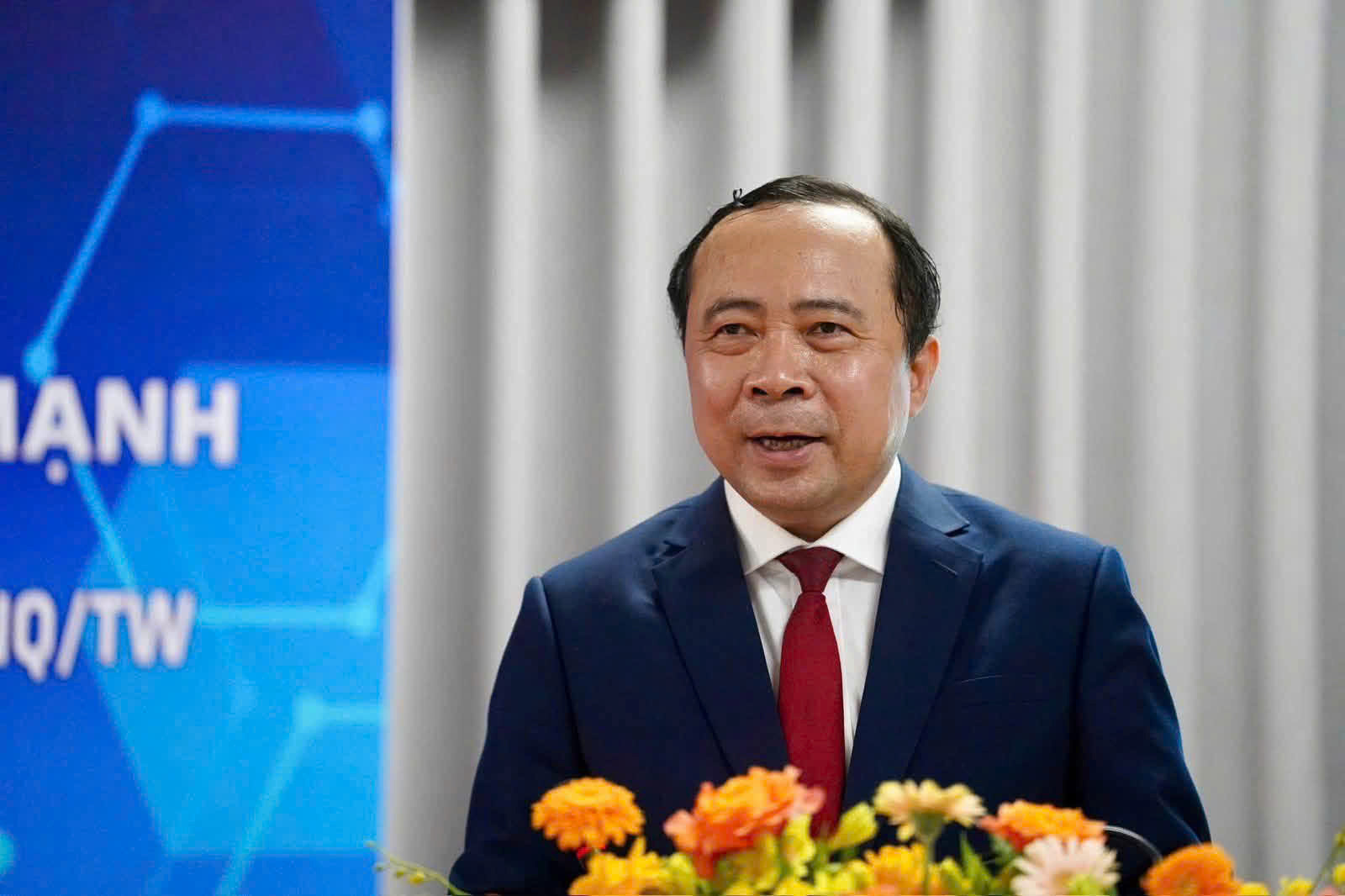
Minister of Science and Technology Vu Hai Quan delivers directive remarks at the Workshop
Numerous Practical Challenges for Marine Science and Technology
Beginning the technical sessions, Dr. Tran Quoc Cuong, Director General of the Department of Social and Natural Sciences, Ministry of Science and Technology, presented the introductory report entitled “Implementing Resolution No. 20-NQ/TW: New Requirements, Key Tasks and Action Orientations for Vietnam’s Science and Technology Sector.” The report clarified the new requirements while suggesting programs, tasks and products that should be prioritized during the 2026–2030 period.
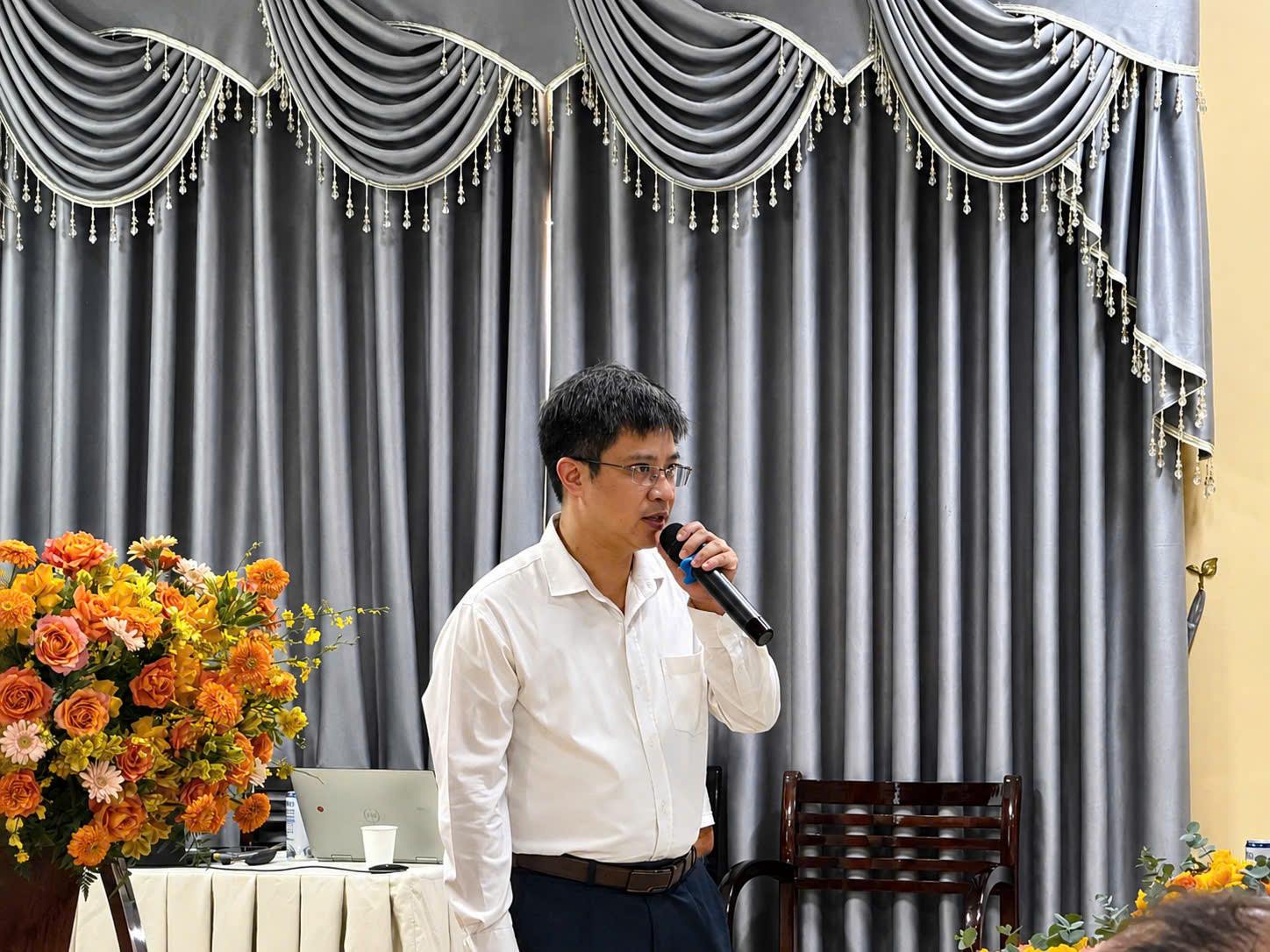
Dr. Tran Quoc Cuong, Director General of the Department of Social and Natural Sciences, presents the introductory report at the Workshop
Presenting a paper on science, technology, innovation and digital transformation in marine aquaculture, Dr. Nhu Van Can, Deputy Director General of the Department of Fisheries and Fisheries Surveillance, Ministry of Agriculture and Environment, stated that fisheries are one of the key economic sectors, with total output in 2025 reaching approximately 9.94 million tons and export turnover reaching USD 11.2 billion.
For marine aquaculture to become a driver of marine economic development, the fisheries sector needs to address bottlenecks relating to seed stock, feed, equipment, wave-resistant cage technology, environmental monitoring, disease control and value chain linkages. The presentation proposed developing a national-level science and technology program or project on marine aquaculture, focusing on breeding high-quality varieties, manufacturing wave-resistant materials and equipment, and developing digital technologies for farm management, environmental monitoring, disease control and natural disaster forecasting. At the same time, ordering mechanisms, public-private cooperation and policies encouraging enterprises to invest in research and innovation are needed.
From the national defense perspective, Colonel Dr. Pham Duy Nam, Deputy General Director of the Vietnam-Russia Tropical Centre, emphasized the need to develop dual-use marine science and technology capabilities. Accordingly, the dual-use nature should not be limited to final products but should also extend to infrastructure, data, technology, human resources and research programs.
Given that resources remain fragmented across multiple agencies and units, it is necessary to establish mechanisms for connecting and mobilizing research vessels, monitoring stations, laboratories, equipment, data and experts for specific tasks. Integration does not mean that all resources must be shared indiscriminately; instead, access must be tiered to ensure that shareable resources are used effectively while data and tasks subject to confidentiality requirements are strictly controlled.
The presentation also proposed establishing a “technology transfer bridge” to support the identification, assessment, testing, adaptation, standardization and adoption of technologies; forming key dual-use marine science and technology programs; and establishing technology testing environments at sea and on islands to shorten the gap between research results and practical applications.
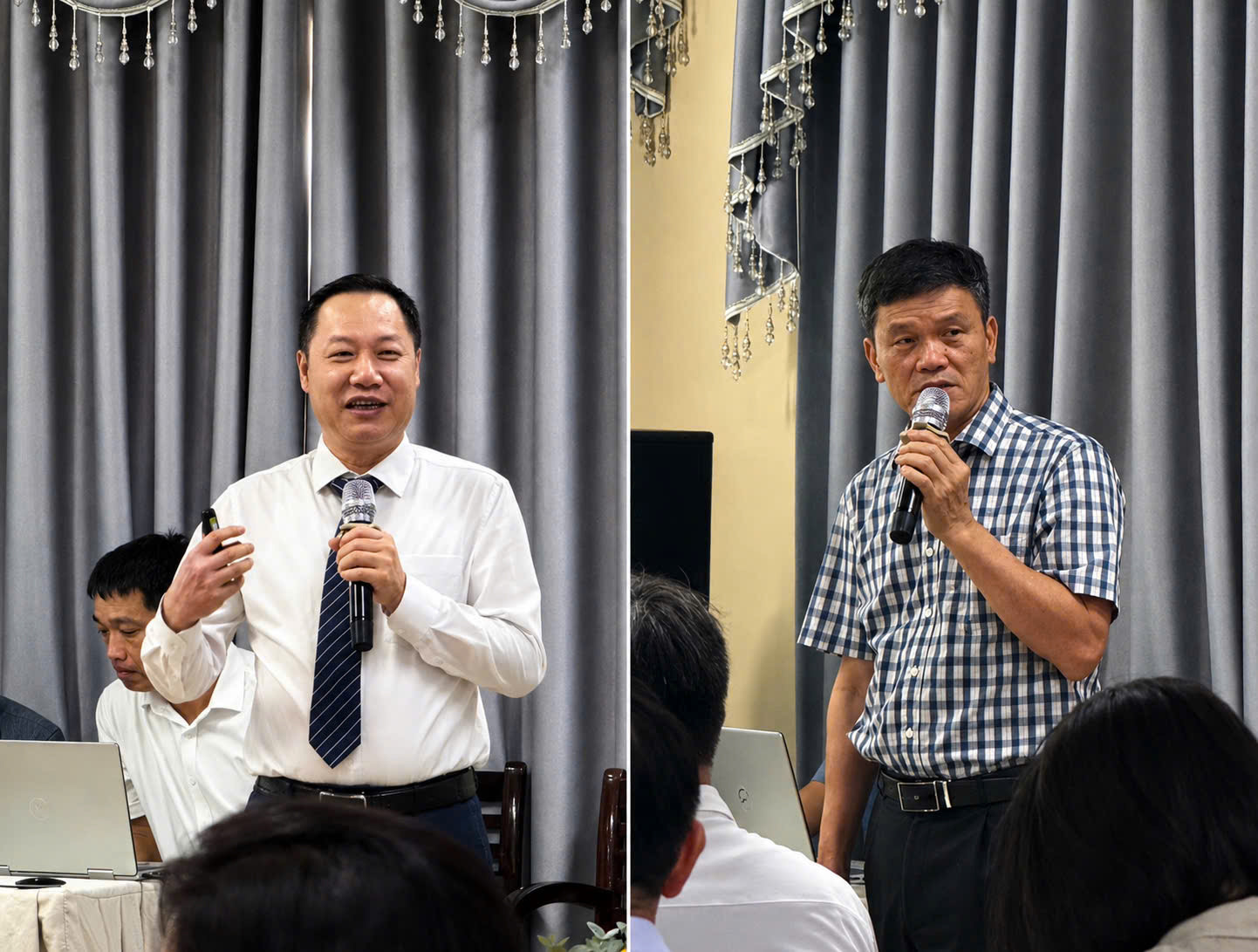
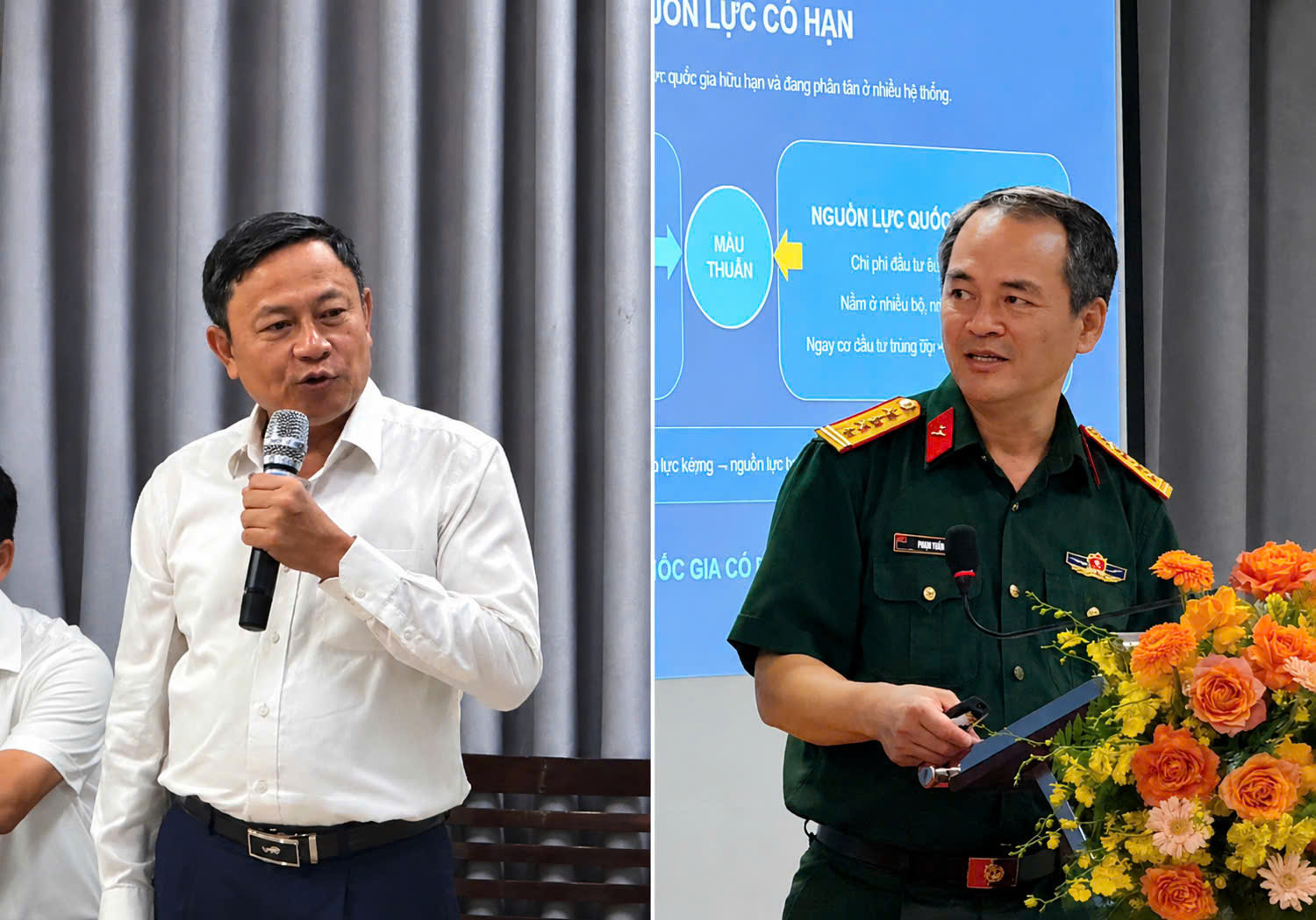
Presenters deliver their presentations at the Workshop
From the perspective of human resource development, Prof. Dr. Nguyen Tien Thao, Director General of the Department of Higher Education, Ministry of Education and Training, stated that highly qualified marine human resources should not be limited to traditional academic disciplines but must be developed within a new ecosystem combining marine science, engineering and technology, economics, management, data, artificial intelligence, law and maritime security.
The major gap today lies not in the number of academic disciplines but in the structure of competencies, the shortage of interdisciplinary programs, the high cost and fragmentation of practical training infrastructure, the limited number of experts, and the lack of close alignment between training and commissioned requirements and actual needs. Therefore, integrated training programs should be developed, with shared use of research vessels, laboratories, simulation systems and marine aquaculture facilities. Learners should also be exposed to practical challenges at enterprises, in localities and through marine economy projects.
Roundtable Discussion: From Orientations to Actions
The highlight of the Workshop was a roundtable discussion entitled “From Orientations to Actions of the Ministry of Science and Technology in Implementing the Resolution on a Strong Maritime Nation,” chaired by Dr. Tran Quoc Cuong, Director General of the Department of Social and Natural Sciences, Ministry of Science and Technology.
Participants in the discussion included Assoc. Prof. Nguyen Chu Hoi, Standing Vice President of the Vietnam Fisheries Society; Assoc. Prof. Dao Viet Ha, Chair of the Vietnamese National Committee for the Intergovernmental Oceanographic Commission and Member of the Legal and Technical Commission of the International Seabed Authority; Assoc. Prof. Dr. Dao Ngoc Chien, Director of the Executive Agency of the National Foundation for Science and Technology Development (NAFOSTED); Mr. Ton That De, General Director of Viet-Uc Seafood Group; and representatives of management agencies, research organizations, localities and enterprises.
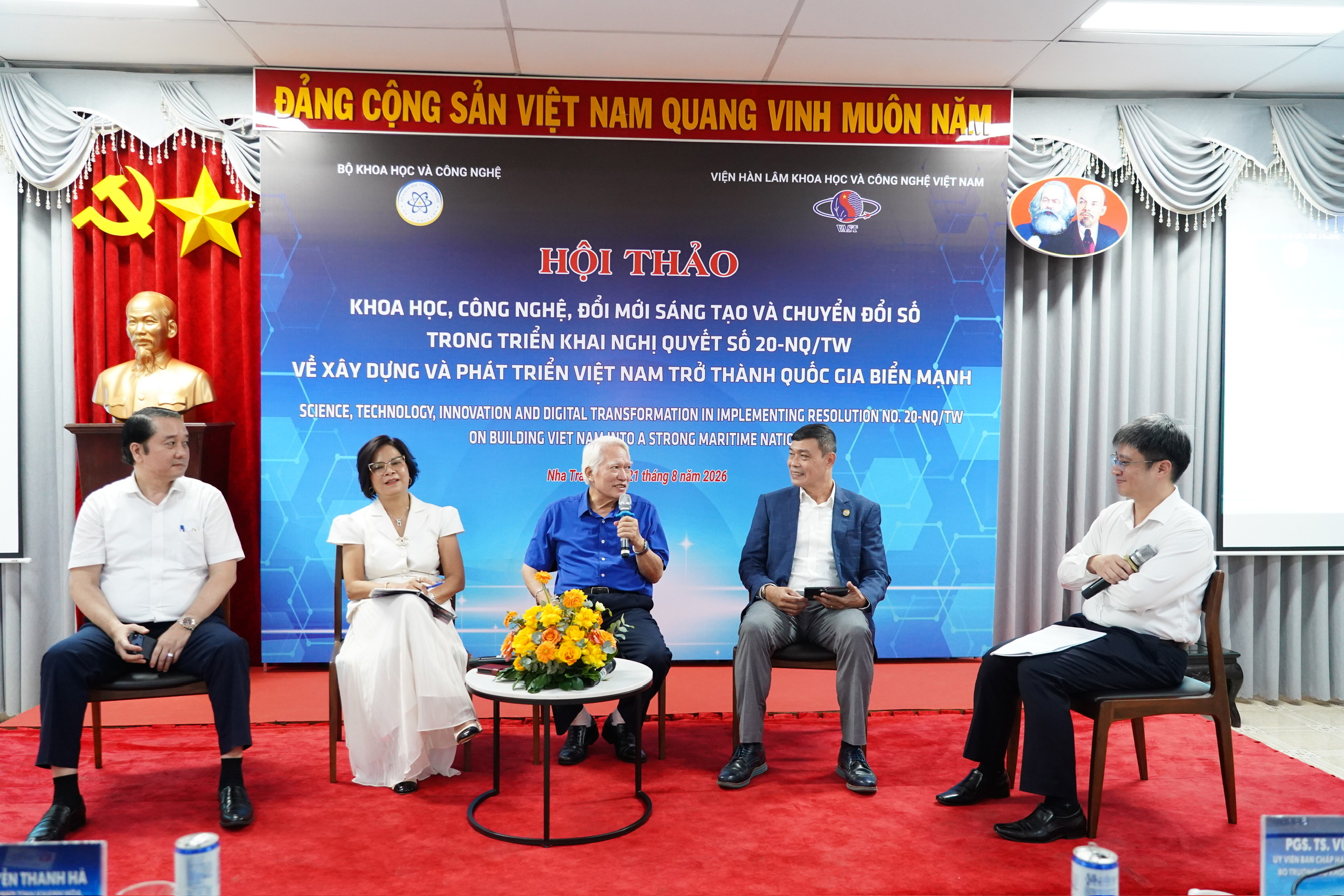
Experts participate in the Workshop’s roundtable discussion
During the roundtable, experts stated that marine science and technology should be organized through an integrated, interdisciplinary and long-term approach rather than being fragmented by individual disciplines, agencies or localities. In particular, it is necessary to promptly establish a unified marine data system with appropriate mechanisms for data sharing and utilization, linking research with basic surveys, long-term monitoring, forecasting and the requirements of national maritime space management.
Some opinions also emphasized the role of enterprises in bringing research results into practical application. Enterprises should participate from the initial stages of problem identification and commissioning through co-funding, testing, adoption and commercialization of technology. At the same time, practical testing environments should be established so that new technologies can be validated, refined and scaled up in marine resource exploitation, aquaculture, environmental protection and the development of marine economic sectors.
Speaking at the discussion, Assoc. Prof. Dr. Dao Ngoc Chien emphasized that marine research is a highly specialized field requiring substantial financial resources, long implementation periods and the participation of multiple disciplines and sectors. The research process also generates enormous volumes of data, requiring specific mechanisms for collection, storage, management, sharing and effective utilization to ensure that data genuinely becomes a resource for marine management and economic development.
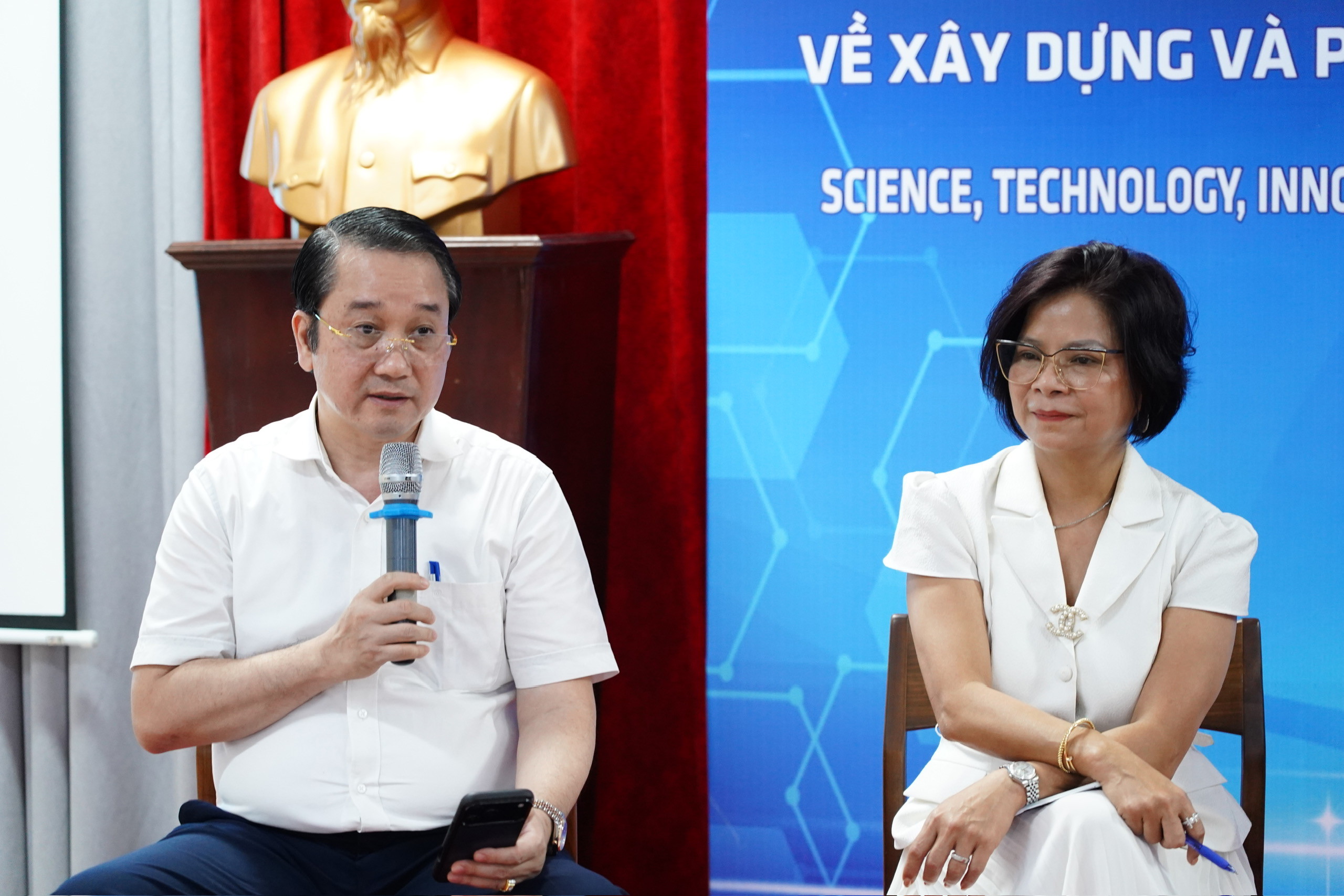
Assoc. Prof. Dr. Dao Ngoc Chien, Director of the NAFOSTED Foundation, discusses orientations contributing to the development of a strong maritime nation
In response to these requirements, the Director of the NAFOSTED Foundation’s Executive Agency stated that, in the coming period, the Foundation would focus on four main orientations.
First, the Foundation will coordinate with scientists and enterprises to identify major challenges arising from practical requirements, serving marine economic development and the rational, efficient and sustainable exploitation of marine resources.
Second, the funding approach will be reformed to move away from focusing on individual research projects and instead prioritize research groups, clusters of tasks and research alliances involving multiple organizations, disciplines and stakeholders. Research programs may be organized over periods of 5–10 years, in line with the interdisciplinary nature, scale and data accumulation requirements of marine research.
Third, the Foundation will strengthen international cooperation and connect domestic research organizations and experts with partners possessing strengths in marine science and technology, thereby mobilizing additional resources and accessing advanced knowledge, data, infrastructure and technologies.
Fourth, the Foundation will reform its approach to evaluating research results. The effectiveness of a task will not be measured solely by the number of research works and scientific papers; it must also be assessed based on new contributions to knowledge, the ability to solve practical problems, and the degree of impact on the management, protection, exploitation and sustainable use of marine resources.
The exchanges during the roundtable demonstrated that translating the orientations of Resolution No. 20-NQ/TW into concrete results requires coordinated reform in problem identification, organization of resources and personnel, data governance, resource mobilization, funding methods, testing and evaluation of research outcomes. This provides a foundation for establishing large-scale, long-term marine science and technology programs that generate knowledge, technologies and substantive capabilities in support of the goal of developing Vietnam into a strong maritime nation.
In his concluding remarks, Minister of Science and Technology Vu Hai Quan affirmed that the implementation of Resolution No. 20-NQ/TW cannot stop at individual research projects but must aim to develop national capabilities in marine knowledge, data, technology, innovation and human resources. The Minister called for a focus on establishing 2–3 marine research organizations reaching the level of leading countries in ASEAN, and linking research with major tasks, shared infrastructure, international cooperation and the practical needs of enterprises and localities.
The Minister assigned relevant units to propose 5–7 key marine science, technology, innovation and digital transformation tasks for the 2026–2030 period, while completing mechanisms for commissioning, co-funding, technology validation and output-based evaluation. The overall approach is to concentrate resources on major interdisciplinary and interregional tasks, using products, impacts and the capabilities developed as the measures of success.
Digital Transformation Division